Guide
Moving Pets Across Canada
A plain guide for anyone moving a dog or cat to another city or province. Whether to fly or drive, how pets fly, what to do and when, and what it costs. Written from Toronto, using the airlines' own rules.
Fly or drive?
Canada is big. Toronto to Calgary is more than 3,000 km by road, and Toronto to Vancouver is more than 4,000 km. That is four to six long days in a vehicle for your pet, with new smells, a new hotel room every night and hours in a carrier or on a seat.
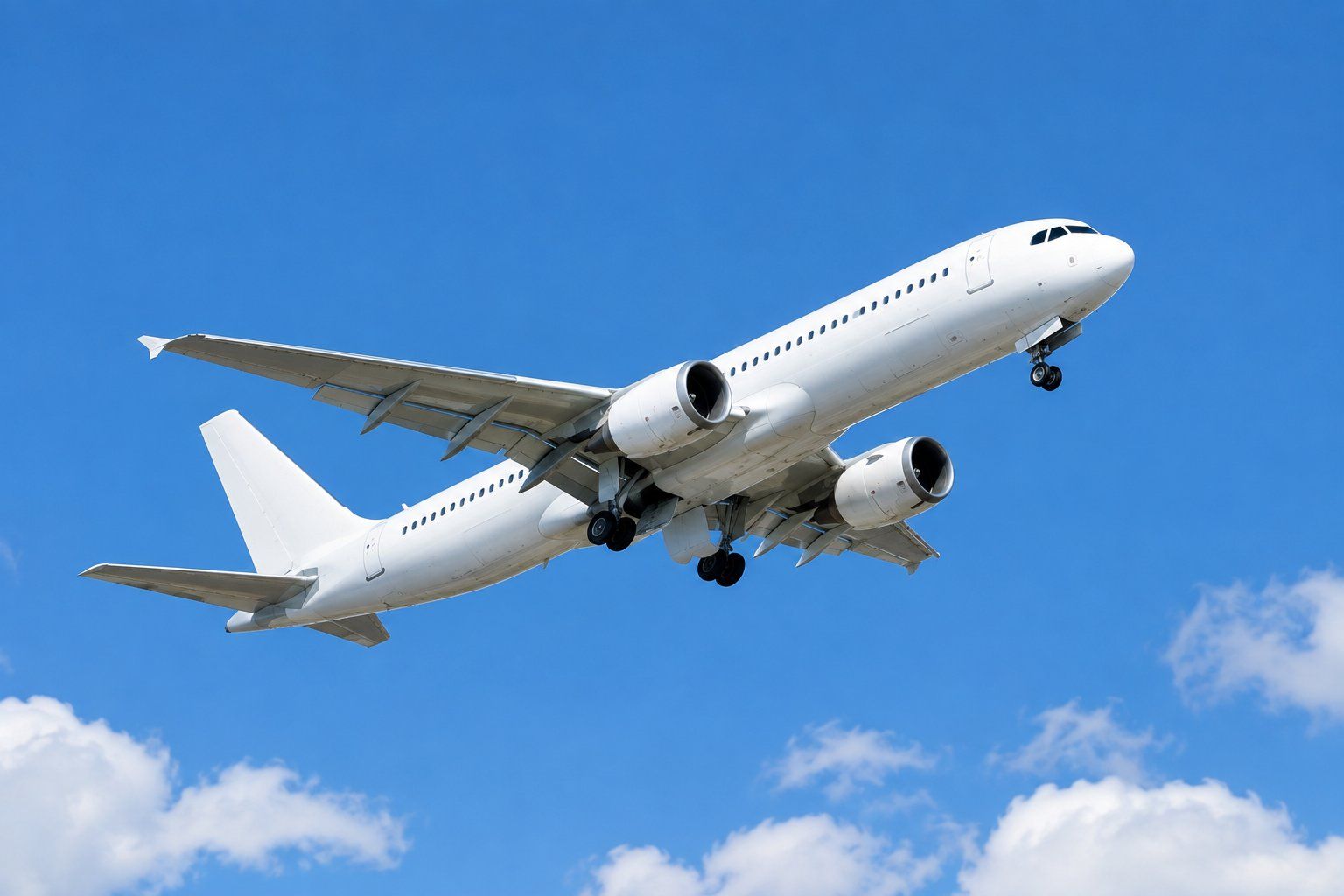
A flight is a few hours. Toronto to Calgary takes about 4 to 4.5 hours. Toronto to Vancouver takes about 5 to 5.5 hours. Flying is not stress free: the crate, the noise and the handling are all new. But for most healthy dogs and cats, a short flight is easier than a week on the road.
We do not drive pets across the country. Long drives are hard on pets. By road we cover Toronto and the GTA, and cities within a day's drive, like Ottawa, Montreal and Windsor. See our routes.
Driving yourself
Driving with your pet is a real option, and sometimes the right one: if your vet advises against flying, or your pet is too big for an airline crate. If you drive, plan it like this:
- Keep days short. Plan for about 8 hours of driving a day at most, with a stop every 2 to 3 hours for water, a short walk on leash and a toilet break.
- Book pet friendly hotels ahead. Do not count on finding one at the end of a long day, especially in northern Ontario and on the Prairies where towns are far apart.
- Secure your pet with a carrier or crate strapped in place, or a harness made for cars.
- Never leave your pet alone in a parked car, in summer heat or winter cold.
- Pack a pet bag: food from home, water, bowls, medication, vet records, a leash, poop bags, a towel and a recent photo.
- Watch the weather in winter. Highways can close in storms. Carry a blanket and extra food.
Cargo, cabin or checked bag
There are three ways a pet can fly within Canada.
As cargo, on its own
Your pet flies in an airline approved crate on its own booking. You do not have to be on the plane. From Toronto, only Air Canada Cargo and WestJet Cargo ship pets this way. Pets are checked in at the cargo building, not the passenger terminal, about 3 hours before the flight. At the other end they are ready about 1.5 hours after landing on WestJet and about 3 hours on Air Canada. This is our main service.
With you, in the cabin
Small dogs and cats can travel in a soft carrier under the seat in front of you, on airlines that allow it. Porter and Flair take pets in the cabin only. Each airline sets its own carrier size and weight limits, so check the Air Canada pet policy or the WestJet pet policy before you buy a carrier.
With you, as checked baggage
Air Canada, WestJet and Air Transat take a pet in the hold when you are on the same flight. Winter limits apply: Air Canada refuses checked pets under 4.5 kg when it is 0 C or colder, for example. See our guide to Canadian airlines and pets.
Flying with your pet? We can still help with the crate, the vet visit and the ride to Pearson. Your pet rides with our driver and you travel separately, because only pets ride in our vehicles. See airport pet transport.
Timeline: 8 weeks to arrival
You can move a pet on shorter notice, but this is the calm version.
8 weeks before
- Decide: fly with your pet, send your pet as cargo, or drive.
- Get a price for your route and dates, so you know your options early. See all routes.
- Check your pet's breed against the airline lists, especially for snub-nosed and strong breeds.
- Get your landlord's or building's pet approval in writing for the new home.
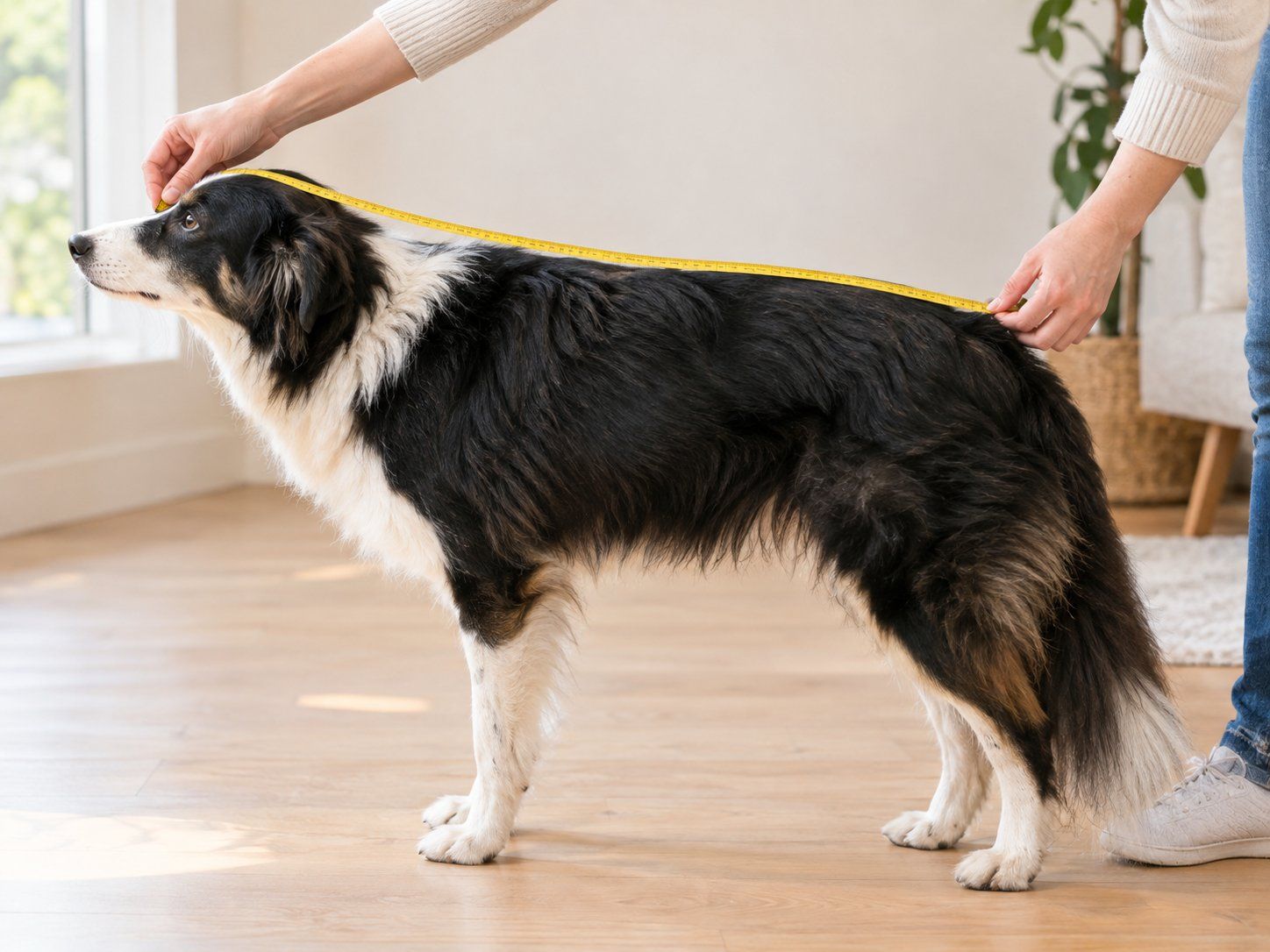
- Measure your pet and use the crate size calculator. Order the crate now so there is time to train.
4 weeks before
- Start crate training (see below).
- Confirm your flight date with us. Avoid the holiday embargo if you can.
- Ask your vet to bring vaccines up to date and give you a copy of the records.
- Find a vet in the new city and ask if they take new patients.
2 weeks before
- Book the vet visit for the health certificate if your pet needs one. Air Canada's is valid 30 days, WestJet's 10 days, so the date matters.
- Confirm who collects your pet at the other end, and that they are free on the day.
- Update your pet's microchip record with your new address and cell number.
The week before
- Keep walks, meals and bedtime on the usual schedule. Pack the pet's things last.
- Put a familiar blanket or t-shirt in the crate. Do not wash it: the smell helps.
- Put an ID tag on the collar with your cell number.
- Do not give a sedative unless your vet says so. Sedated pets need a health certificate on WestJet, and many vets advise against sedation for flying.
The day of the flight
- Ask your vet about food on travel day. A light meal a few hours before is common.
- A good walk before pickup, then a toilet break.
- Water and food dishes fixed to the crate door, fillable from outside.
- We pick up your pet at home and check them in at Pearson cargo about 3 hours before the flight. You get a message when they are checked in.
Arrival
- Your pet is usually ready about 1.5 hours after landing on WestJet and about 3 hours on Air Canada. Collect your pet as soon as it is ready: a pet not collected within 4 hours is moved to a kennel (or a vet) at your cost.
- Go to the airline's cargo office, not the passenger terminal. We send the address, the hours and the air waybill number.
- Offer water first, then a short walk on leash, then home.
The crate and crate training
As cargo or checked baggage, every pet travels in an airline approved hard crate. On the ground, with us, a pet may ride in a carrier, a crate or loose, depending on the pet. For the flight, the crate must follow the airline rules:
- Rigid plastic in two parts, with a solid roof and no door on top.
- A metal grille door, held with metal nuts and bolts, not plastic clips.
- Air holes on all four sides. Wheels removed. No wire, folding or soft crates.
- Food and water dishes fixed to the door, fillable from outside.
- Absorbent bedding. No wood chips or shavings.
Size matters. Your pet must be able to stand up without the ears touching the roof, turn around and lie down. The airlines use a formula based on four measurements, and our crate size calculator does the maths. Snub-nosed breeds need a crate about 10% bigger. We sell airline crates ready to fly in any size, with bedding, dishes and labels, and the crate is added to your quote if you need one. See airline pet crates.
Crate training in four steps
- Make it furniture. Put the crate in a room where your pet spends time, door open, with a blanket inside. Leave it there.
- Make it good. Drop treats inside. Feed meals in the crate. Praise any time your pet goes in on its own.
- Close the door for short spells. A minute, then five, then twenty, while you are nearby. Open it before your pet gets upset.
- Practise moving. Lift the crate, carry it, take a short car ride. A pet that has done this a few times copes much better on the day.
Never use the crate as a punishment. You want your pet to see it as a safe den.
Vet visit and health certificate
There is no federal health certificate for pets moving within Canada. The airline decides:
- Air Canada Cargo: a health certificate is required for every pet shipped as cargo, from a licensed vet, dated no more than 30 days before travel.
- WestJet Cargo: a health certificate is needed only for snub-nosed breeds, pets 8 to 12 weeks old, and pets that are sedated or have had recent surgery. It is valid for 10 days.
People often call this a "fit to fly certificate". Even when it is not required, a vet check before the trip is a good idea, especially for older pets. We tell you which certificate applies when we book, and we can drive your pet to your own vet and back. See vet health certificate for flying.
Paperwork
For a pet flying as cargo, expect:
- The vet health certificate, when the airline needs one.
- The airline's shipper's certificate for live animals (each airline has its own form).
- "Live animal" and "this way up" labels on the crate, with your contact details.
- The air waybill number, which is how the airline tracks the shipment and how the person at the other end collects your pet.
- A copy of vaccine records, for you and the new vet.
When we book the move, we prepare the airline forms and labels and check them at Pearson.
December and winter embargoes
The holidays are the hardest time to move a pet by air:
- WestJet does not carry pets as cargo on its 737 and Q400 aircraft from December 18 to January 4. Only 787 flights can carry pets as cargo in that window.
- Air Canada's cargo page says it does not carry cats or dogs as cargo within Canada from December 15 to January 12.
- From November 1 to March 31, Air Canada does not carry animals as cargo on some narrow-body aircraft.
- WestJet does not carry hairless breeds as cargo from December 1 to March 31.
Moving in December? Send your pet before the holiday window, or plan for them to follow in January. Full details in our winter and holiday embargo guide.

Snub-nosed and strong breeds
Snub-nosed (short-nosed) breeds such as pugs, bulldogs, boxers, shih tzus and Persian cats have extra rules. Air Canada only takes them through an IPATA approved pet shipping company. WestJet takes them as cargo with a vet health check, at a higher rate, and may refuse them in hot weather.
Strong breeds, such as rottweilers, mastiffs and cane corsos, need a reinforced crate. On WestJet, adult dogs of these breeds can only be booked through an IPATA registered agent. Pit bull type dogs are restricted in Ontario and cannot travel through Pearson. We price all of these moves by hand. See snub-nosed and strong breeds.
Moving cats
Cats fly the same way dogs do, in the same kind of crate. What makes cats different is how much they dislike change. A few things help:
- Bring the crate out weeks early and let your cat sleep in it.
- Keep your cat in one quiet room on packing day, so it does not hide or slip out the door.
- Line the crate with something absorbent that smells of home.
- At the new home, start with one room: litter box, food, water and a hiding spot.
WestJet lists several cat breeds as snub-nosed, including Persian, Himalayan and Exotic Shorthair. Hairless cats like the Sphynx cannot fly as WestJet cargo in winter. More on our cat transport page.
What it costs
The cost of moving a pet across Canada depends mostly on the crate size, because airlines charge by the space the crate takes up as well as its weight. Like all air cargo, the airline charges by weight and volume: the greater of the real weight of your pet and crate, and the volume weight worked out from the crate's outside size, plus airline fees. Our price includes the airline's charges. It also depends on the route, the pickup and delivery distance, the breed, the time of year, and extras such as the crate and a vet ride.
Fill in the quote form. On most routes you see your price on screen right after you enter your contact details, and we email you a copy. For the rest we send it within 24 hours. Bigger dogs and snub-nosed breeds cost more. Read how pricing works, or pick a route:
- Toronto to Calgary
- Toronto to Vancouver
- Toronto to Edmonton
- Toronto to Winnipeg
- Toronto to Halifax
- Toronto to Regina
- Toronto to Saskatoon
- Toronto to St. John's
- Toronto to Montreal
- Toronto to Ottawa
- Toronto to Kelowna
- Toronto to Victoria
- Toronto to Quebec City
- Toronto to Thunder Bay
- Toronto to Charlottetown
- Toronto to Deer Lake
- Toronto to Fort McMurray
Driving yourself has its own costs: fuel, hotels with pet fees, meals and days off work. Count them before you decide.
Arrival and settling in
Most pets are tired and a little unsettled for the first few days. Keep the same food, bowls and bed, and set up one quiet room before your pet arrives. Book a check-up with a new vet and look up the pet licence rules in your new city. Our guide to helping your pet settle in covers the first day, the first week and the signs that something is wrong.
Moving pets across Canada: questions
What is the best way to move a pet across Canada?
How much does it cost to move a pet across Canada?
Can you drive my dog across the country?
Does my pet need a health certificate to travel within Canada?
Can my pet fly in December?
Can my pet fly on a different day from me?
Which cities do you move pets to and from?
Want us to handle it?
We pick up your pet in Toronto, sort out the crate and the paperwork, and book the flight. On most routes you see your price right away.